
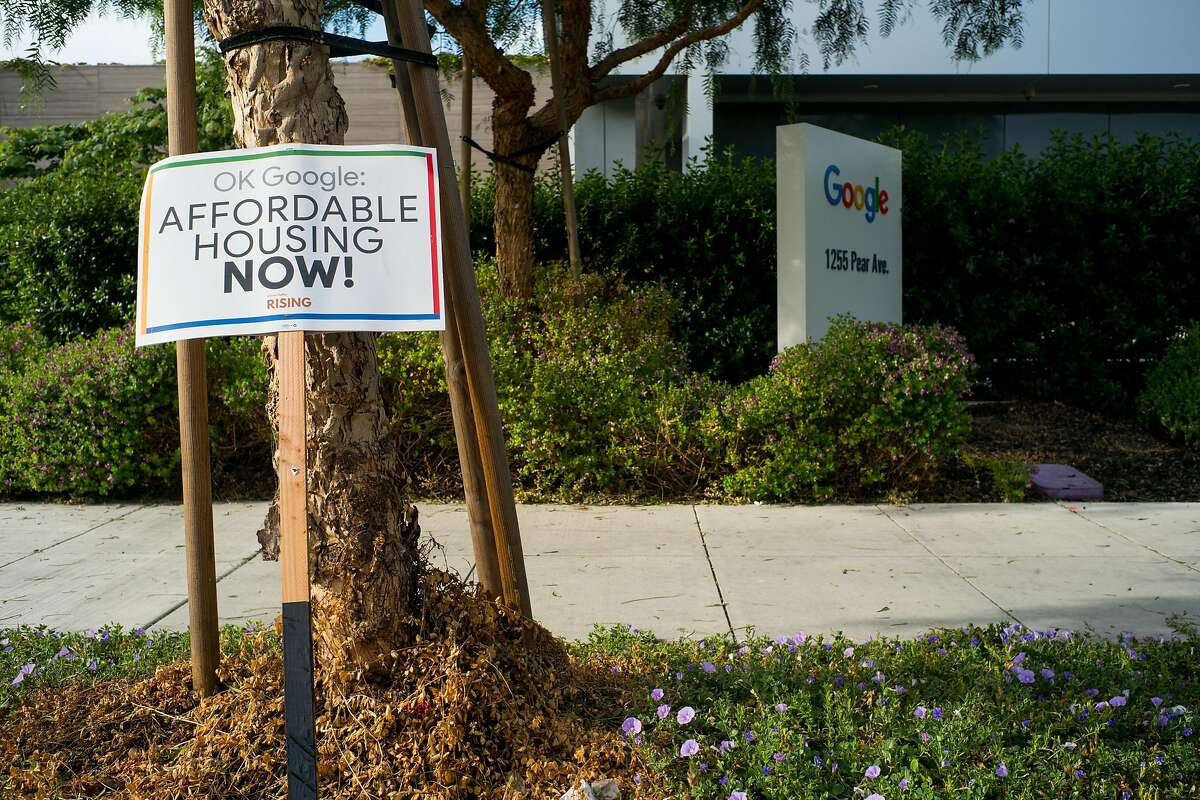

Google has committed to a $1 billion plan that would help build 20,000 homes in the Bay Area over the next decade. San Francisco Chronicle
If Google does get the go-ahead to develop new houses then how much of its own technology portfolio will it invest in each of these homes? Whilst Google does not produce all of these items the list of technologies for a smart home is quite long and still growing. The current range includes:
- Wireless speaker systems
- TV/Entertainment systems
- Thermostats
- Home security & monitoring systems
- Domestic robots
- Smoke/CO detectors
- Lighting
- Home energy use monitors
- Door locks
- Refrigerators
- Laundry machines
- Water detectors
- Utility Meters
If not Google then perhaps the other Tech majors such as Facebook, Amazon, Apple, Cisco and others may all begin to sponsor or “build” new housing in Smart Cities. If a Smart Home development area consisting of tens or hundreds of homes all fitted with the same technologies encounters a vulnerability does it mean Threat Actors could exploit this vulnerability and thus compromise a lot of houses in one attack?
Considerations:
| Site Resources |
| Connected Home shared technology exploit |

 Smart City Cyber Security